
Ancient Roman Sandal Studded With Nails Unearthed During Dig In Germany

A reproduction of the 2,000-year-old sandal, which has a nailed sole. Image by Marcus Regel/Mareg.net via Bavarian State Office for Monument Preservation (BLfD)
A Roman soldier’s footwear, unearthed in the Bavarian town of Oberstimm, is letting archaeologists step into a fresh perspective on life in the ancient empire. Initially dismissed as a rusty old sickle, the artifact turned out to be something much more interesting after X-ray imaging: it’s a 2,000-year-old sandal.
More than a flippant flip-flop, this particular piece of footwear is known as a caliga, a sturdy, hobnailed sandal designed for the legions. These ancient equivalents of cleats—stamped with nails at the sole for traction—were essential kit for Roman soldiers, helping them keep their feet firmly planted on whatever ground they were covering.
Amira Adaileh, an expert with the Bavarian State Office for Monument Preservation, is pretty excited about the discovery as it suggests that the Romans’ way of life, even their clothing, was eventually adopted by locals.
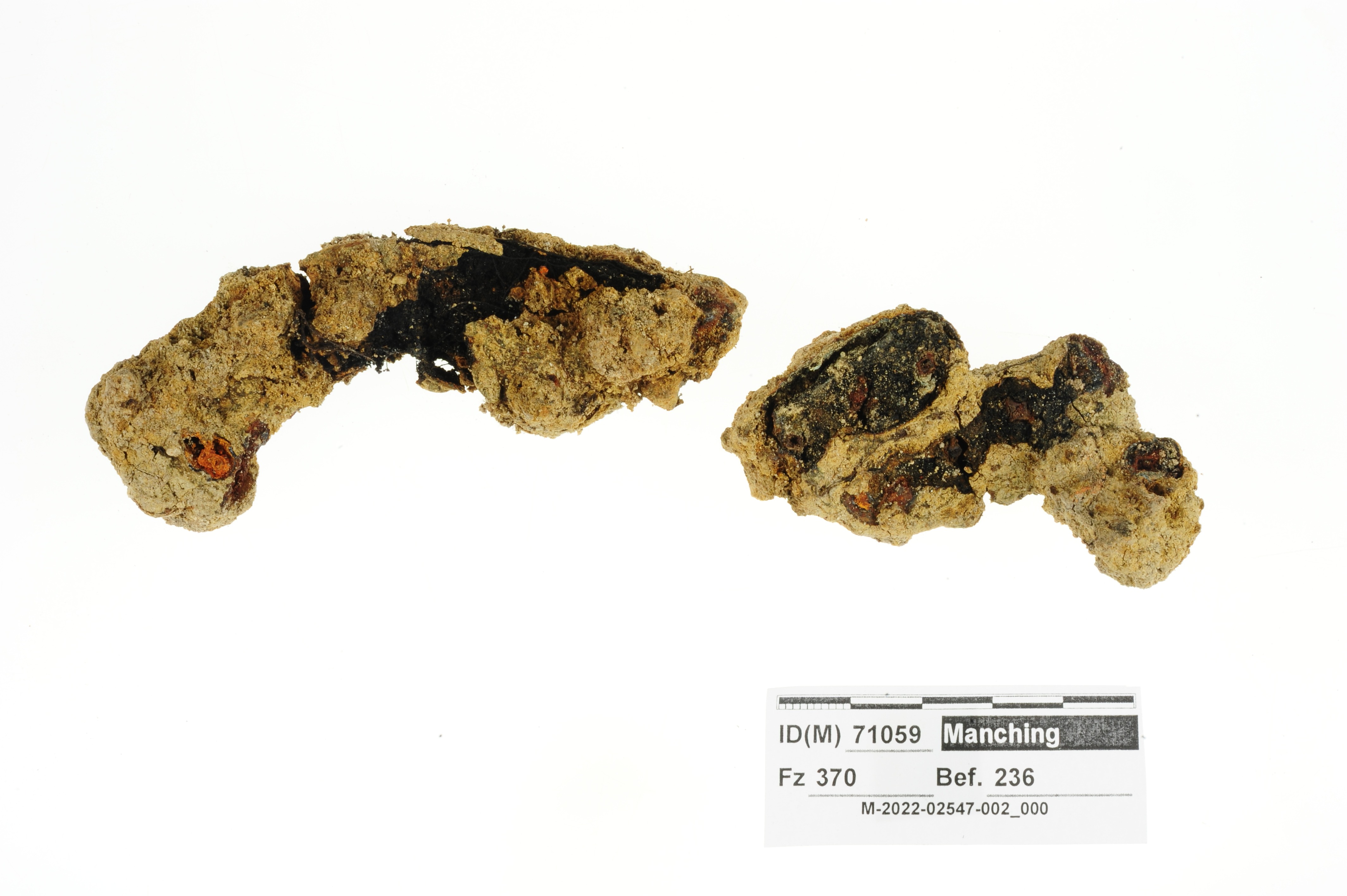
Image via Bavarian State Office for Monument Preservation (BLfD)
What’s especially interesting about this newly discovered footwear is its condition. Most of the time, archaeologists only find bits and pieces of Roman footwear. But this one is almost whole, thanks to its watery grave at the bottom of a well. It's a rare glimpse into the everyday lives of these ancient warriors.
The site where the sandal was found is a treasure trove of Roman artifacts. There's pottery, food scraps, tools, and even bits of clothing. And the sandal recovery adds a new chapter to the story of Roman footwear. While the fancy, closed-toe calcei eventually became the go-to shoe for soldiers, this caliga proves that the old-school style stuck around for longer than we thought.
[via My Modern Met, Archaeology Magazine, ZME Science, Live Science, images via Bavarian State Office for Monument Preservation (BLfD)]


