
Emoji Consortium Urged To Add First-Ever Designs With Black & Mixed-Race Hair

Image courtesy of Rise.365
Emojis have had too many bad hair days. As noted by UK nonprofit Rise.365, there are nearly 4,000 emojis at our fingertips, but not a single one represents black or mixed-race hairstyles.
This lack of representation has sparked a call for change from the community group, which is advocating for more inclusive emojis that reflect the diversity of hairstyles. The push comes after research among its hundreds of members revealed that 32% of black and mixed-race individuals feel “overlooked and forgotten” due to the absence of emojis that represent their hair textures and styles.
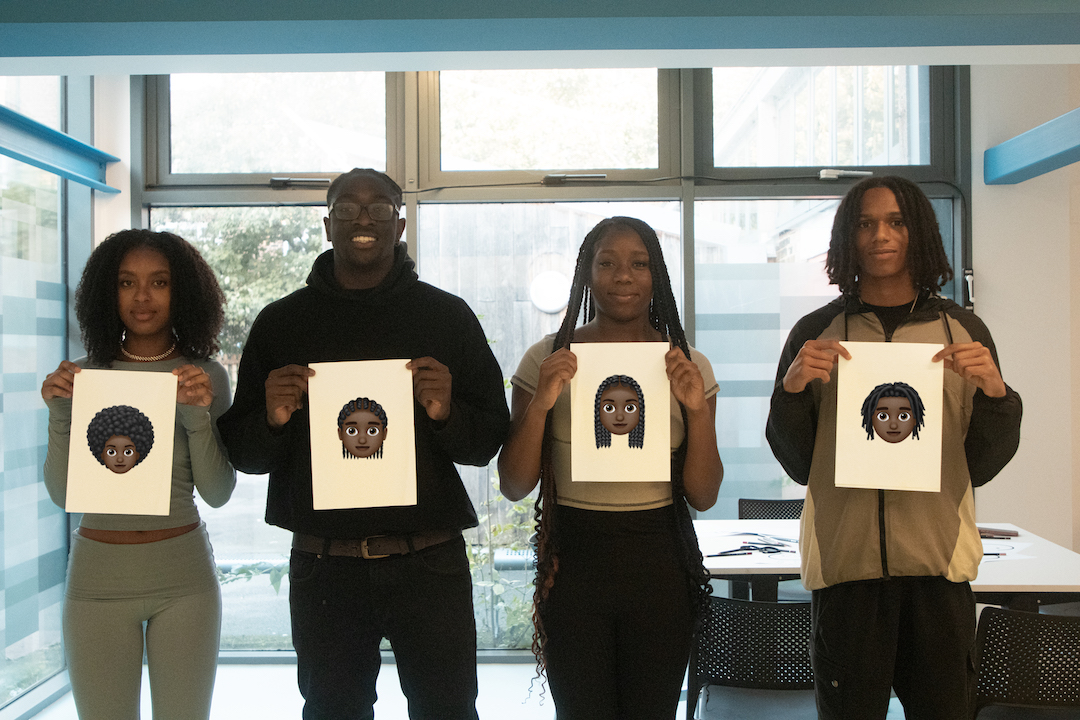
Image courtesy of Rise.365
This issue underscores the broader concern of Texturism—a form of discrimination against afro-textured or coarse hair. Often perceived as “unprofessional” or “unattractive,” these biases affect people everywhere, from schools to workplaces.
To that end, the group has proposed four new emojis representing common black and mixed-race hairstyles: Afro, Braids, Cornrows, and Locs. These designs, created by the young people the group supports, are intended to give black and mixed-race individuals a form of representation that currently doesn’t exist in digital communication. For younger generations—especially Gen Z and millennials—emojis play a huge role in everyday conversations. However, without seeing themselves reflected, many feel left out.
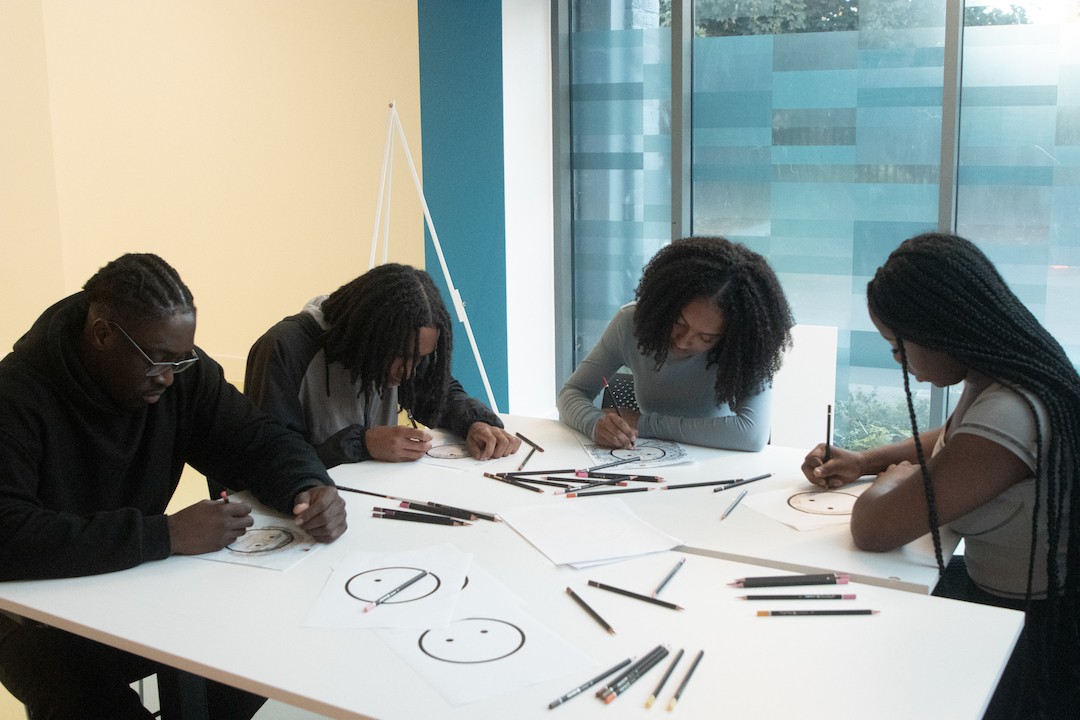
Image courtesy of Rise.365
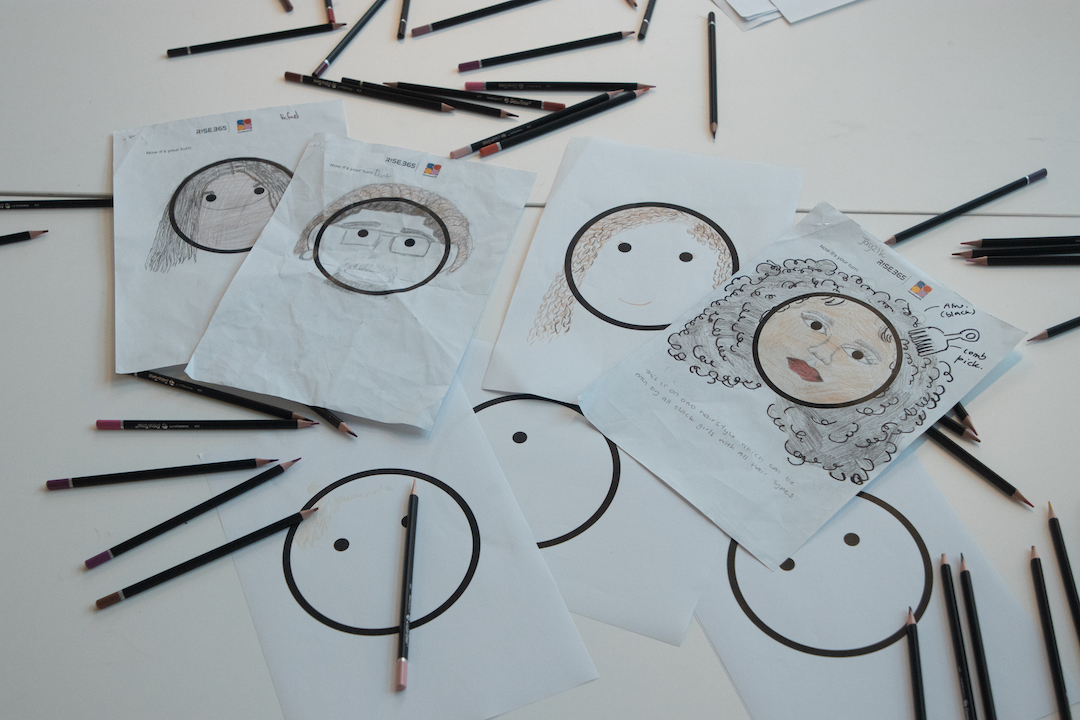
Image courtesy of Rise.365
One of the designers, Reanna, spoke about the significance of these emojis, especially the one she envisioned with braids. “Having these emojis made is such a big deal and a massive step towards encouraging people to embrace/feel comfortable with their hair… I hope this empowers people to be comfortable in their hair textures and styles,” she said.
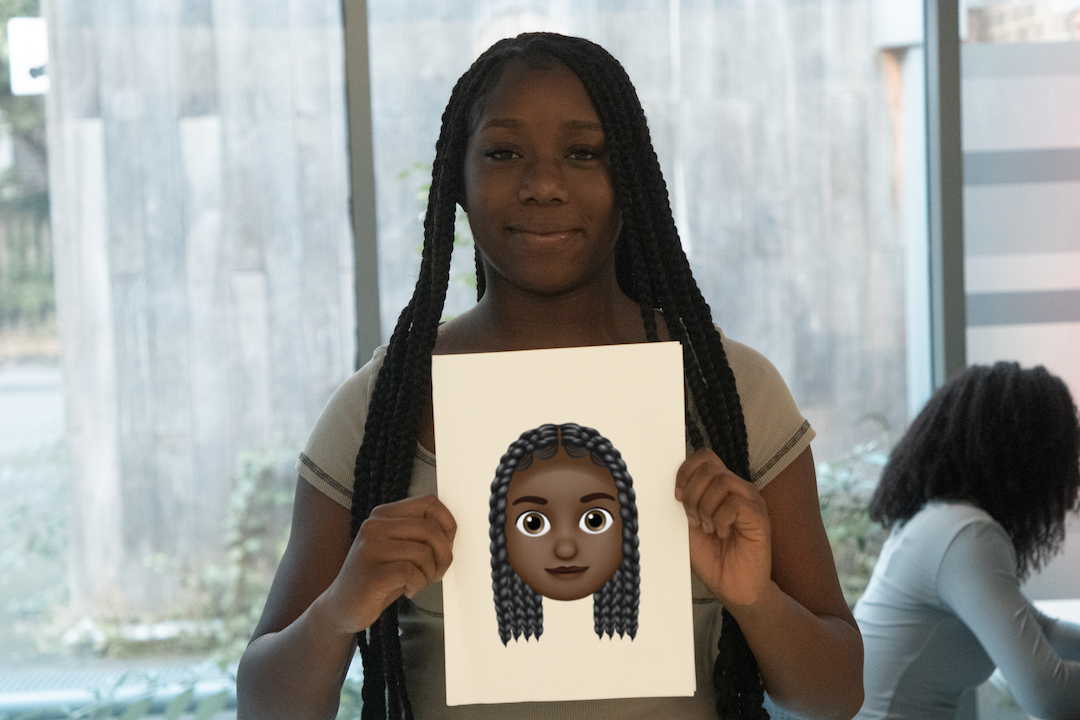
Image courtesy of Rise.365
The proposed artwork will be submitted to Unicode, which oversees the introduction of new emojis, in April 2025. In the meantime, the team is calling upon the public to show the consortium that these additions matter simply by googling “Afro hair.”

Image courtesy of Rise.365
“A key criterion for Unicode when reviewing submissions is frequency of use of the key term associated with the proposed emoji,” the nonprofit shares in an email. “They assess this by looking at Google Trend data, looking at web, image and video searches of the key term, which for the Rise.365 submission will be ‘Afro hair.’”

Image courtesy of Rise.365
Joyclen Brodie-Mends Buffong, founder of Rise.365, emphasized the importance of tackling Texturism head-on. “Introducing these emojis will not only help more black and mixed-race people feel equally represented, but we also hope this campaign kick-starts conversations around the bigger issues of Texturism and Afro hair discrimination.”

Image courtesy of Rise.365
[via Rise.365, images courtesy]


